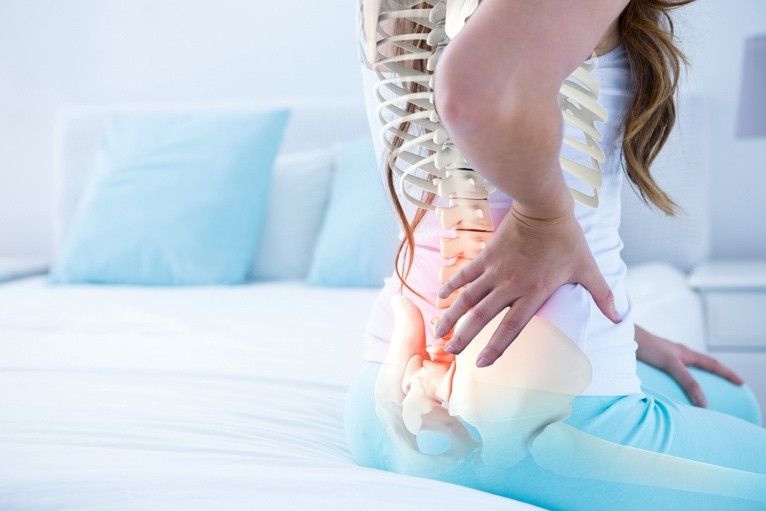





Top 10 Low-Impact Exercises for Effective Pain Management
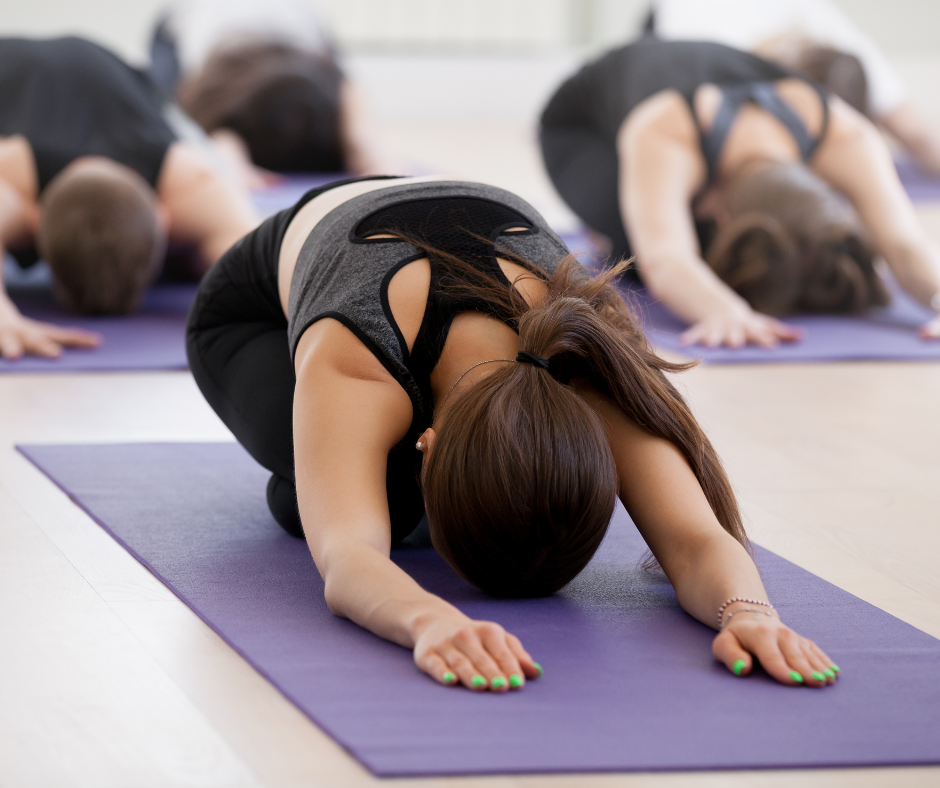
Low-Impact Exercises for Effective Pain Management
 | PTCOA

Dealing with pain can be quite a challenge, but it's important to remember that exercise can help ease that discomfort. However, it's not a one-size-fits-all kind of deal because we're all unique, right? So, low-impact exercises are the way to go if you're looking to find some relief from that pain without overdoing it on your body. 


Whether you're contending with chronic pain or an injury or aiming to maintain an active lifestyle, here is a comprehensive list of the top 10 low-impact exercises.


Swimming 

Swimming is a fantastic exercise that takes the weight off your joints. The buoyancy of the water reduces impact while providing resistance to strengthen muscles. It also promotes flexibility and range of motion, making it ideal for those with arthritis or joint pain. The rhythmic movement of swimming can be soothing, helping to alleviate discomfort and reduce stress.


Cycling 

In addition to being enjoyable, cycling is also a kinder sport for the joints. It's an excellent method to work your leg muscles and enhance cardiovascular health, whether you like to ride a stationary bike or take a leisurely spin outside. People with knee or back problems may adjust the resistance to change the intensity of their workout.


Yoga 

Yoga combines gentle stretches, controlled breathing, and relaxation techniques, making it an ideal low-impact exercise for pain relief. It enhances flexibility, balance, and mindfulness, helping you manage physical and emotional pain. The poses can be modified to accommodate various abilities and limitations, ensuring safe and effective practice.


Yoga places a strong emphasis on mindful breathing. Pranayama techniques teach you to control your breath, which calms the mind and enhances oxygen flow to muscles and tissues. Deep, rhythmic breathing can be especially beneficial for reducing tension and pain.


Walking 

One of the easiest and most efficient activities for pain management is walking. It works out the entire body while being easy on the joints. A brisk walk helps enhance joint flexibility, circulation, and the release of endorphins, which act as natural painkillers. Anyone can participate since the pace can be changed to suit individuals of different ages and fitness levels.


Tai Chi 

Tai Chi is a graceful martial art focusing on slow, flowing movements and deep breathing. This ancient practice improves balance, reduces stress, and enhances body awareness. Its low-impact nature makes it particularly beneficial for individuals with chronic pain conditions such as fibromyalgia and back pain. It gently strengthens muscles and joints while promoting relaxation. 


Tai Chi is not just an exercise; it's a journey of self-discovery and holistic well-being. It provides a sanctuary from the fast-paced world, allowing you to slow down, reconnect with your body, and find inner peace. It is renowned for enhancing balance and stability, making it particularly beneficial for older adults. Regular practice can reduce the risk of falls and improve confidence in daily activities.


Pilates 

Pilates is a core-strengthening exercise method that emphasizes precise movements and controlled breathing. It targets the muscles that support your spine, which can be especially helpful for individuals with back pain. Pilates can improve posture, stability, and overall body awareness, reducing the risk of future injuries.


It is a mind-body discipline that requires intense concentration. Each movement is performed with full awareness, and the mind is encouraged to be present in the moment. This mental aspect helps improve focus and reduce stress.


Elliptical Training 

Elliptical machines provide a moderate alternative to traditional running or jogging. They provide a complete-body workout that is gentle on the joints because of their gliding motion. This exercise frequently gives people the impression that they are working less hard than they actually are, in contrast to high-impact workouts, which can feel torturous. This can be tremendously motivating for people who wish to exercise effectively without feeling as though they are pushing their bodies to the limit. By modifying the resistance and incline, you may customize your elliptical workout to meet your fitness level and pain threshold.


Resistance Band Exercises 

Resistance bands are versatile tools for strength training. They allow you to work on muscle strength without heavy weights or high-impact movements. These bands have various resistance levels, making them suitable for individuals at different fitness stages. You can perform various exercises, targeting specific muscle groups while minimizing joint stress.


Water Aerobics 

Participating in water aerobics classes offers an enjoyable approach to working out, lessening the strain on your joints. This form of exercise seamlessly merges the advantages of conventional aerobic routines with the distinctive characteristics of water, rendering it a superb option for individuals spanning various age groups and fitness proficiencies. It provides an avenue for staying physically engaged while maintaining a gentle approach to preserving one's bodily well-being.


Water resistance ensures simple movements like walking or leg lifts become efficient exercises, toning muscles from head to toe. It is also excellent for strengthening the core, making it a great choice for improving posture and stability.


Gentle Stretching 

Simple, gentle stretching exercises can be highly practical for pain relief. Regular stretching routines improve flexibility, reduce muscle tension, and increase blood flow to affected areas. Focus on stretching the muscles around your problem areas and hold each stretch for 20-30 seconds without bouncing. Incorporating stretching into your daily routine can help prevent pain from recurring.


Effective Pain Management

When managing pain, including low-impact activities in your regular regimen can make all the difference. Numerous advantages of these workouts include better general health, lower stress, and increased flexibility. Before beginning any new workout program, especially if you have underlying medical concerns, you should speak with a healthcare provider. You may make considerable progress toward a more pain-free and active life with the correct counsel and dedication to keeping active.


Are you ready to take control of your pain and regain your quality of life? Pain Treatment Centers of America specializes in pain management, and we're committed to providing you with the relief you deserve. But we're more than just a healthcare provider—we're your partners in
pain relief. Contact us at (844) 215-0731 to explore your options, connect with our team, and start your journey towards a pain-free future. Your path to relief begins here.

By Bob Berendsen February 1, 2026
Chronic or acute pain has the potential to significantly impact your daily life, making even everyday tasks a hassle. Pain Treatment Centers of America believes that knowing your medication options is a crucial step in building an appropriate, personal pain management strategy. While many treatment options are available, pharmacologic therapy has been the peak of comprehensive care. Types of Medications Used in Pain Management Pain medications are not universalized. The selection of the right prescription depends on the pain type, severity, and medical history. Common categories include: 1. Nonsteroidal Anti-Inflammatory Drugs (NSAIDs) NSAIDs, such as ibuprofen or naproxen, tend to be the first line of defense for low levels of pain. They reduce swelling and provide comfort associated with conditions like arthritis, back pain, or joint injuries. In some patients, however, they can affect the stomach or kidneys. Therefore, careful studying and dosing guidance from a professional is key. 2. Acetaminophen Acetaminophen is mostly for general pain reduction and is sometimes combined with other treatments. Unlike NSAIDs, it doesn’t target swelling. Nonetheless, it can be effective for pain relief and daily improvement. 3. Muscle Relaxants For pain caused by muscle spasms or tension, muscle relaxants can provide relief. These medications work by calming overactive muscles and are usually prescribed for short-term use to prevent dependency or side effects. 4. Antidepressants and Anti-Seizure Medications Certain antidepressants and anti-seizure drugs can treat neuropathic (nerve) pain. They work by altering how the nervous system processes signals of pain throughout your body. Even if you do not experience depression or seizures, these medications assist with pain control. 5. Opioids Opioids are strong pain-relieving medications chosen for more potent pain when other options aren’t doing the trick. At Pain Treatment Centers of America, we practice strict guidelines to minimize risks, evaluate patient progress, and ensure healthy, responsible use. A combination of Opioids can be introduced to other treatments as part of a multimodal pain management plan. Personalized Pain Management The effectiveness of medications is best when combined with other therapies; physical therapy, interventional procedures, and lifestyle changes. We work closely with each patient to structure a plan that focuses on the root cause of pain, not just the signs. Every treatment plan is carefully engineered, giving thought to variables like medical history, existing conditions, and possible side effects. Patients are taught how to use the medication safely, dosing schedules, and expectations of each prescription. Take the Next Step Understanding your medication options enables you to take charge of your pain and improve your life overall. If you’re having issues with chronic or acute pain, our professionals at Pain Treatment Centers of America will gladly help. We mix the most up-to-date pharmacologic therapies with personalized care to provide comfort, improve function, and enhance your total well-being. Schedule a consultation today to learn which pain management medications are a good fit.
By Bob Berendsen January 15, 2026
Winter, widely considered the season of comfort, is the time for indoor relaxation and quiet contemplation. However, winter also brings with it some very real dangers, including cold, dark, and slippery surfaces. For older adults or those dealing with chronic pain, a small slip on these surfaces can lead to serious injuries that take months to heal. The good news? You can train your body to handle these challenges. Let’s explore some simple, safe exercises you or your loved ones can do from the comfort of your home to build your winter-proof stability. Why Winter Increases the Risk of Falls Cold weather brings more than just chilly air. It changes the way we move, how our muscles respond, and even how we think about walking. When it’s icy, people tend to tense up, take shorter steps, and look down more often. Muscles also get tighter in the cold, which reduces flexibility. Plus, all those bulky layers of clothes mess with your center of gravity and limit how quickly you can react if you start to lose your balance. Your boots might be waterproof and warm, but they're probably not giving you the ankle support or ground feel you'd get from your regular shoes. Then there's the simple fact that many of us move less in winter. Maybe you skip your daily walks when it's freezing, or you stop going to that exercise class because driving feels too risky. But here's the catch: the less you move, the weaker you get, and the weaker you get, the more likely you are to fall. Building a Foundation To prevent this, you simply need to work on two main things: balance and strength. Physical therapy and balance-focused exercises train your muscles, joints, and nervous system to respond faster and more effectively when something throws you off. Balance Training Balance isn’t just about standing still without wobbling. It’s about how your body reacts when something throws it off center. When you step on ice, for example, your brain and muscles have to communicate in an instant to keep you upright. If that connection is slow or weak, you’re more likely to fall. Some simple ways to train your balance include: ● Single Leg Stands : Stand near a sturdy surface like a countertop or wall for support. Lift one foot slightly off the ground and hold that position for 10–15 seconds. Then switch sides. At first, you might wobble, but that’s perfectly normal. Over time, your legs, ankles, and core muscles will get stronger, and your balance will improve. Try doing 3 rounds on each leg daily. ● Heel-to-Toe Walk: Imagine you’re walking on a tightrope. Place one foot directly in front of the other, heel touching toe, as you move slowly across the room. This simple drill strengthens your stabilizing muscles and sharpens coordination. Keep your eyes forward, not down, and use a wall for light support if needed. ● Side Leg Raises: Hold onto a sturdy chair or counter. Lift one leg out to the side while keeping your back straight and your toes facing forward. Lower it slowly and repeat. This exercise builds hip strength, which plays a big role in staying upright on slippery ground. ● Weight Shifts: Stand with your feet hip-width apart and shift your weight from one leg to the other slowly. Feel your balance change from left to right. This gentle exercise teaches your body to adjust quickly. Strength Training Balance and strength go hand in hand. When your muscles are strong, they act like shock absorbers, keeping you stable even when your footing isn’t perfect. Focus on the muscles that support your posture and help you move safely. Here are a few simple exercises to include in your daily routine: ● Chair Squats: Sit down and stand up from a sturdy chair without using your hands for support. Keep your feet flat on the floor and your knees aligned with your toes. This move strengthens your thighs, hips, and glutes—key muscles for stability and control. ● Heel Raises: Stand behind a chair or counter and slowly lift your heels so you’re standing on your toes. Lower back down after holding for a few seconds. This helps strengthen your calves and ankles, improving the small muscle reactions that keep you upright when you slip. ● March in Place: Lift your knees high as if you’re marching. Do this for one to two minutes, rest, and repeat. Marching builds leg endurance and helps train your coordination. ● Core Squeezes: While sitting or standing, tighten your stomach muscles as if you’re zipping up a snug jacket. Hold for 10 seconds, then release. A strong core helps your upper and lower body work together to keep you balanced. These movements may look simple, but they’re powerful. Doing them for just 10–15 minutes a day can make winter walks safer and less stressful. Warming Up Before You Head Outdoors Cold weather tightens muscles and slows blood flow, making your body less responsive. That’s why warming up before heading outside is so important. Think of it as insurance against sudden slips. Try a short warm-up routine before stepping out: ● Arm circles to loosen shoulders. ● Gentle knee bends to wake up leg muscles. ● Shoulder rolls and neck stretches to improve mobility. ● A quick indoor walk or stair climb to raise your heart rate slightly. It’s also wise to check your footwear. Look for rubber soles with deep treads for better traction. Avoid smooth or worn-out shoes, and consider ice grips that attach to your boots if you live in a particularly snowy area. Winter doesn't have to be a season of fear. By investing just 10-15 minutes a day in these simple, safe exercises, you can build the strength and confidence you need to navigate the season safely. You are giving your body the tools it needs to stay upright, stable, and strong. When to Ask for Professional Help If you’ve had a fall before or feel nervous about losing your balance, it’s a good idea to get help from a physical therapist or pain specialist. They can assess your movement patterns and create a personalized exercise plan to strengthen weak areas. At Pain Treatment Centers of America , we often see patients who avoid movement due to fear of falling or pain. With guided therapy, they rebuild strength and confidence. Therapists also teach safe walking techniques, posture corrections, and stretching routines that make winter mobility much easier. Even if you’re recovering from an injury or dealing with chronic conditions like arthritis, a professional can tailor exercises that improve stability without aggravating pain. Our team at Pain Treatment Centers of America can provide you with the comprehensive care you need to manage your pain. Contact us to book an appointment!
How PTCOA Physical Therapy Helps Relieve Winter Stiffness
By Bob Berendsen December 3, 2025
While it’s easy to stay bundled up indoors, that approach often makes stiffness worse. With physical therapy, you can manage to keep your body resilient.
Health Anxiety | PTCOA
By Bob Berendsen November 5, 2025
Learning to identify and manage health anxiety can help you regain peace of mind and focus on your overall well-being.
Tips for Autumn Weather Changes ​| PTCOA
By Bob Berendsen October 1, 2025
As summer fades and autumn sets in, the drop in temperature, fluctuating humidity, and shorter days can trigger discomfort for those with joint issues.
Pain and Sleep | Pain Treatment Centers of America
By Bob Berendsen September 1, 2025
As the seasons shift, many people notice changes not only in the weather but also in how their body feels.
Show More