




How PTCOA Physical Therapy Helps You Stay Warm and Relieve Winter Stiffness and Old Injuries

As the air turns crisp and the daylight hours shorten, many people find their bodies reacting to the season. The cold can have a real physiological impact on your body, affecting circulation, flexibility, and even your motivation to stay active. Your joints feel tighter, muscles take longer to warm up, and those old injuries you thought were long gone begin to make themselves known again.
While it’s easy to blame the weather and stay bundled up indoors, that approach often makes stiffness and discomfort worse. With
physical therapy and the right guidance, you can manage to keep your body resilient through the coldest months.
Understanding Why Cold Weather Affects Your Body
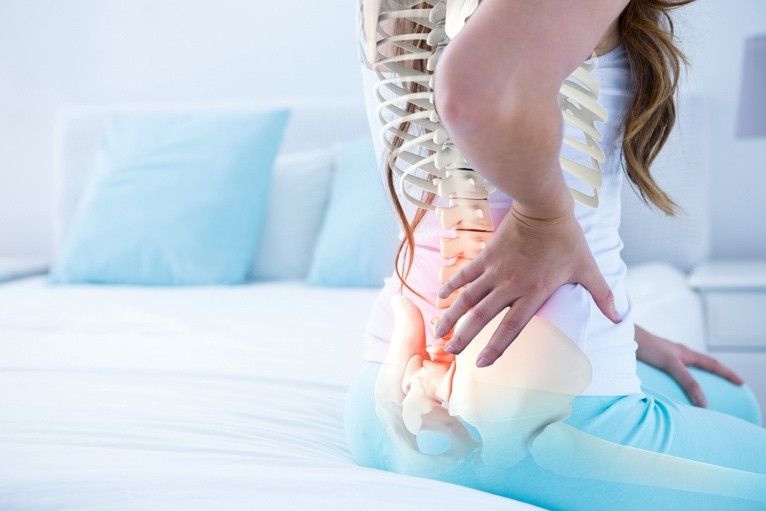
When the temperature drops, your body automatically adjusts to protect your core organs and preserve heat. However, those same adjustments can make movement harder and more painful. Scar tissue, limited flexibility, or nerve sensitivity from past injuries may react more strongly to temperature and pressure changes, making even simple movements uncomfortable.
Some of the physiological reactions include:
Changes in Barometric Pressure
A drop in barometric pressure before a cold front or storm can cause tissues to expand. This expansion creates pressure in already sensitive areas like arthritic joints or old injury sites, leading to increased soreness or stiffness.
Reduced Blood Flow
When your body gets cold, it prioritizes keeping your core warm by constricting blood vessels in your arms and legs. That reduced blood flow means your joints and muscles receive less oxygen and nutrients, causing tightness and discomfort.
Thicker Synovial Fluid
The natural lubricant inside your joints becomes thicker in cold weather, making movement feel sluggish and restricted.
How Physical Therapy Offers a Proactive Solution
A well-rounded physical therapy plan addresses stiffness, weakness, and poor movement patterns that can worsen in the cold. By combining manual techniques, exercises, and education, you can experience noticeable improvements in both comfort and mobility. Your therapist designs a plan based on your individual health, pain levels, and mobility goals, helping you stay active without risk of injury. Here’s how:
Personalized Exercise Programs
Building the muscles around your joints provides them with better support, reducing stress and pain. Exercises like wall sits, bridges, and resistance band training can be particularly beneficial. Gentle stretching can help to lengthen tight muscles and improve the mobility of your joints. This can be as simple as doing regular neck, shoulder, and hip stretches throughout the day.
Activities like walking on a treadmill, using an elliptical machine, or swimming in a heated pool can improve circulation, keep your joints lubricated, and boost your mood. Your therapist will also guide you on warm-up and cool-down techniques to prepare your muscles for activity and reduce post-exercise soreness.
Manual Therapy Techniques
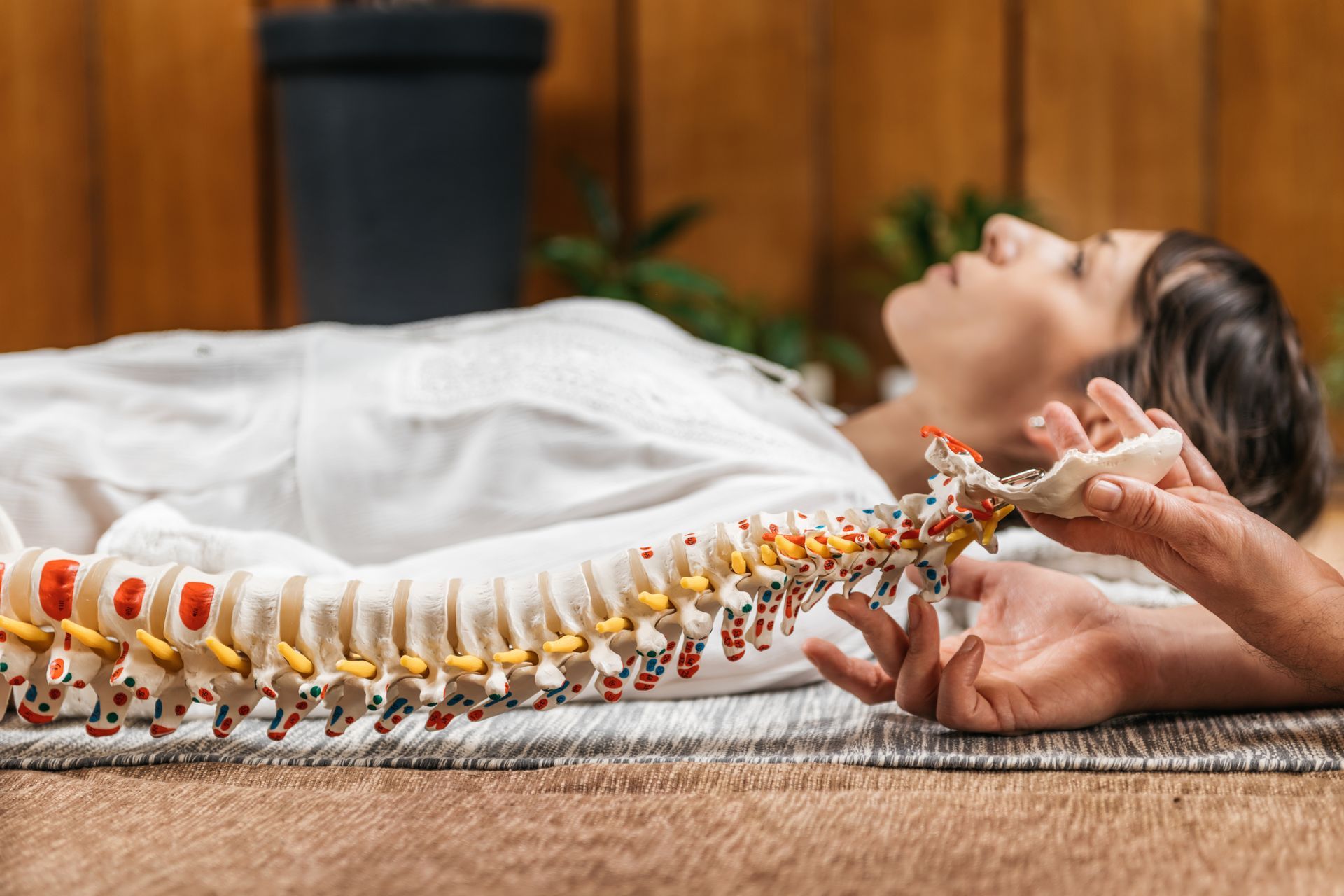
Hands-on techniques are a core part of physical therapy and can deliver immediate relief from stiffness and pain. Manual therapy works to restore joint movement, improve blood flow, and ease muscle tension. These therapies help your body move more naturally, allowing you to stay active and reduce your risk of injury during the winter months.
Common manual therapy methods for you may include:
- Soft Tissue Mobilization: Gentle, targeted pressure on tight muscles and fascia helps relieve tension, break down adhesions, and improve flexibility.
- Joint Mobilization: Controlled movements of stiff joints can restore normal motion and reduce discomfort caused by inactivity or cold weather stiffness.
Advanced Pain Management Techniques
Winter stiffness often responds well to therapeutic warmth. Physical therapists use various pain relief modalities that go beyond at-home heating pads to provide deeper and longer-lasting comfort. These therapies complement your exercise plan, ensuring both immediate pain control and long-term functional improvement.
- Heat Therapy: Applying heat to a stiff joint or muscle can help to relax the tissues and improve blood flow, providing immediate relief.
- Ultrasound: This therapy uses sound waves to generate heat deep within the tissues, which can help to reduce pain and inflammation.
- Transcutaneous Electrical Nerve Stimulation (TENS): A TENS unit sends a low-voltage electrical current to the nerves, which can help to block pain signals from reaching the brain.
Balance and Stability Training
Winter brings an increased risk of slips and falls, especially on icy or wet surfaces, making balance and stability training essential. A physical therapist can design targeted exercises to improve coordination, core strength, and body control.
These may include standing on one leg to enhance joint stability and proprioception, heel-to-toe walking to refine coordination, and focused core and hip strengthening to stabilize your movements. By improving balance and body awareness, you can reduce the likelihood of falls and maintain your mobility and independence throughout the colder months.
Correcting Posture and Movement Habits
Cold weather naturally makes you hunch your shoulders and tighten your muscles to conserve heat, but that posture increases strain on your neck, back, and shoulders. Over time, this tension can lead to headaches, muscle spasms, or back pain. Your physical therapist can identify postural imbalances and teach you how to correct them through targeted exercises and ergonomic advice.
You’ll learn how to maintain good alignment, even when layered in heavy winter clothing, and how to position yourself at work or home to minimize strain. These adjustments may seem small, but consistent posture correction reduces pain and improves energy throughout your day.
Common Mistakes to Avoid This Winter
Winter comfort often depends as much on your habits as on your therapy routine. Combining smart daily habits with physical therapy ensures your progress continues outside the clinic. Avoiding these common pitfalls can help you stay pain-free and mobile:
Avoid the “Hibernation” Trap
As tempting as it is to stay cozy indoors, inactivity is one of the worst things for stiff and painful joints. Make an effort to stay active, even if it's just by doing some gentle stretches or walking around your house.
Ignoring Pain Signals
It is essential to distinguish between the discomfort of muscle fatigue and the sharp signal of pain. While it's good to push yourself to stay active, pushing through excruciating pain can cause more harm. See your physical therapist if you experience any new or worrisome pains, and learn to pay attention to your body and take breaks when needed.
Underestimating the Importance of Proper Attire
Dressing in layers allows you to trap heat effectively. Wearing warm socks, insulated gloves, and a scarf can make a significant difference in your overall comfort and can help prevent the vasoconstriction that contributes to stiffness.
Ready to enjoy this winter to the fullest? Our experienced team at
Pain Treatment Centers of America can help you create a personalized physical therapy plan that keeps you moving, comfortable, and strong all season long.
Schedule your consultation today and take the first step toward a warmer, pain-free winter.