





Conway Outdoor Attractions for Springtime

A poster for the best springtime spots in conway arkansas

Spring in central Arkansas is a beautiful time. For many of us, the warmer weather means getting outside and enjoying the state’s natural beauty. If you live in the dynamic city of Conway, you’re familiar with the many outdoor attractions that bring visitors in from all over the state. As COVID-19 forced us into lockdown throughout much of the winter and early spring, many of us are especially ready to get outside and explore as the weather warms up.

Unfortunately, many of us battle physical limitations. Pain, mobility issues and other illnesses can make it hard to explore the outdoors or enjoy the spring weather.

If you suffer from chronic pain that prevents you from enjoying the springtime attractions in Conway, you have more options than you may think. Comprehensive pain management with PTCOA can help you get back to living and enjoying the outdoors--any time of year.

Check out our picks for the best outdoor spots in (and around ) Conway during springtime.

Lake Conway

U.S. 65 South

Conway, AR 72032

501-327-7788

This beautiful Arkansas lake is the largest man-made lake in the United States, occupying nearly 7,000 acres just southeast of Conway, Arkansas. Lake Conway offers excellent fishing spots, with bluegill, bream, largemouth bass, white bass, catfish, and crappie making a home in its waters.

The lake is also a great spot for passionate boaters and offers several public boat ramps. You can also rent boats, buy bait and purchase other fishing supplies at commercial docks. While you’re visiting, take time to experience some of the walking trails or stop for a picnic on the scenic shores.

Lake Conway can be experienced by individuals of all mobility levels.

Tucker Creek Walking Trail

Tucker Creek Trail

Conway, AR 72034

501-450-6186

This walking and biking trail extends just over 3 miles from Tyler Street to Hogan Road in Conway, with constant views of Tucker Creek and the nearby woods.

The trail is perfect for beginner bike riders or individuals with mobility issues. The trail is flat, lighted and paved, providing easy access for strollers and wheelchairs.

It’s also a great spot for owners and their dogs. As long as your dog is leashed, you’re welcome to bring them to the park.

Cadron Settlement Park

6200 Hwy 319 W

Conway, AR 72034

501-450-6186

This family-friendly, 150-acre park is on the National Register of Historic Places and offers hiking trails, picnic areas, and a range of recreation options for individuals and families.

Visitors can see the Blockhouse restoration, the Cherokee Trail of Tears exhibit, and the historic Butterfield Trail. There is also a boat-launching ramp, picnic areas, and pavilions available for rent for gatherings.

Cadron Settlement Park is perhaps most famous for its hiking trails, which can suit a variety of mobility levels. There are also accessible trails for individuals who use wheelchairs or other mobility equipment.

Beaverfork Park Lake

20 Kinley Dr.

Conway, AR 72032

501-450-6117

This park is a short drive to north Conway and offers swimming beaches, fishing, and boat ramps (including handicap accessible ramps).

When it comes to outdoor activities, Beaverfork Park has you covered, with a baseball field, a disc-golf course, sand volleyball court, an outdoor pavilion and picnic tables.

The lake is the perfect spot for swimming, kayaking, canoeing, and other water sports, especially during the warmer months of spring and summer.

Hendrix Creek Reserve

Conway, AR 72032

The Hendrix Creek Preserve in Conway, Arkansas was created as a conservation easement to prevent flooding in the City of Conway. However, the HCP also doubles as a beautiful public recreation spot. The preserve features a walking trail and boardwalks that offer stunning views of the streams, wildlife and greenery in the area.

The preserve is also home to several native trees, shrubs and plants, while native turtles and fish inhabit the streams. The HCP is the perfect spot for a relaxed walk in the evening during the warmer months or for a family outing that offers learning opportunities for the kids.

Get Back to Living with PTCOA

Do you suffer from chronic pain that limits your ability to explore and enjoy the world around you? You deserve relief.

Pain Treatment Centers of America is dedicated to helping each of our patients conquer their pain and get back to the lives and activities they love.

Our Conway, Arkansas pain clinic can help you tackle your pain so you can explore every outdoor spot Conway has to offer.

During COVID-19, PTCOA is still here for our patients. Read our COVID-19 guidelines on our homepage, or find out more about coronavirus by accessing our COVID-19 video library .

Ready to schedule your appointment? Contact us today at (844) 215-0731.
July 31, 2026
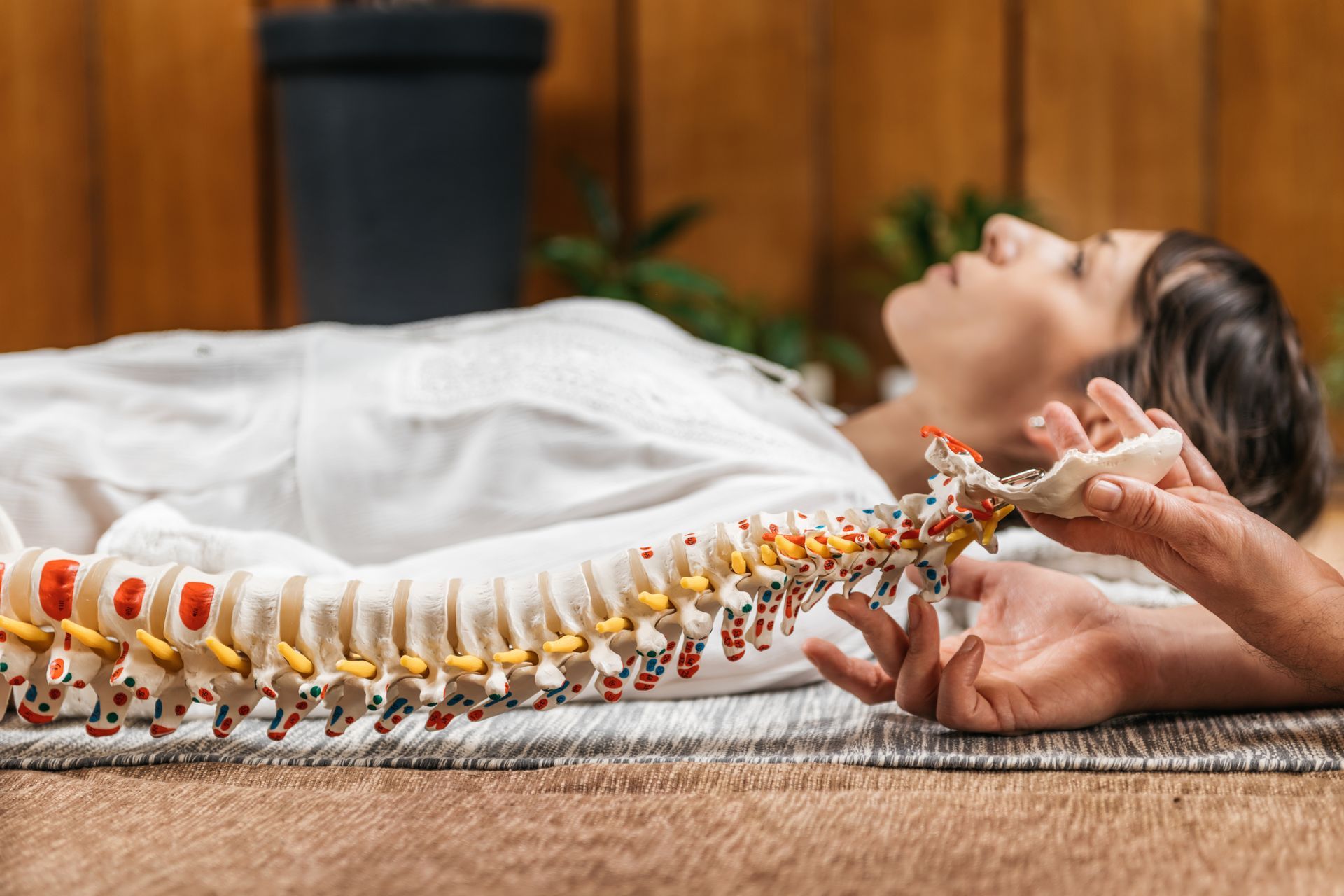
Many people spend hours each day sitting at a desk, looking down at a phone, or driving between appointments without realizing how these habits affect their bodies. Over time, poor posture places excessive stress on muscles, joints, and the spine, leading to chronic pain that interferes with daily life. At Pain Treatment Centers of America, we help patients identify the causes of persistent pain and develop bespoke treatment plans that improve function, mobility, and well-being. How Poor Posture Leads to Chronic Pain Proper posture keeps your body aligned, allowing muscles, ligaments, and joints to work efficiently. When posture is compromised—whether from slouching, hunching over a computer, or standing unevenly—certain muscles become overworked while others weaken. Such imbalance places unnecessary strain on the spine and surrounding tissues. Over time, poor posture leads to chronic pain in several areas of the body, including: Neck and shoulders Upper and lower back Hips and pelvis Knees Head, leading to tension headaches Many people don’t notice the effects immediately, but repeated poor posture can gradually cause inflammation, muscle fatigue, nerve irritation, and reduced flexibility. Common Signs Your Posture May Be Causing Pain Poor posture often develops slowly, making it hard to recognize until discomfort becomes persistent. Typical symptoms include: Frequent neck or shoulder stiffness Ongoing lower back pain Muscle tightness after sitting for long periods Headaches which start at the base of the skull Rounded shoulders or a forward head position Fatigue from standing or sitting throughout the day If these symptoms continue despite rest or over-the-counter treatments, it may be time for a medical assessment. Simple Ways to Improve Your Posture Improving posture doesn’t happen overnight, but small daily changes can greatly reduce pain and prevent future problems. Consider these healthy habits: Sit with both feet flat on the floor and your back supported. Keep computer monitors at eye level to reduce neck strain. Take regular breaks to move your body throughout the day. Strengthen muscles in your core to better support your spine. Practice posture awareness while standing, walking, and lifting objects. Try not to look down at your phone for longer periods of time by raising the screen closer to eye level. These simple adjustments can reduce stress on your body and improve comfort during daily activities. When Professional Treatment Is Needed While posture correction helps many people, chronic pain may require additional medical care, especially if poor posture has caused joint dysfunction, nerve irritation, or long-term muscle imbalances. A complete evaluation can determine whether posture is causing your symptoms and identify other underlying conditions that may be involved. Depending on your diagnosis, treatment may include: Physical therapy and guided rehabilitation Interventional pain management procedures Trigger point or joint injections Medication management when appropriate Personalized exercise recommendations Education on body mechanics and ergonomics Combining posture correction with targeted treatment often provides the greatest long-term relief. Personalized Chronic Pain Care at Pain Treatment Centers of America At Pain Treatment Centers of America, we understand chronic pain is rarely caused by a single factor. Our experienced providers evaluate the whole person to identify the root cause of discomfort and create individualized treatment plans that support lasting relief. Whether your pain stems from poor posture, repetitive strain, or another underlying condition, we’re committed to helping you improve mobility, restore function, and return to the activities you enjoy.  If chronic neck, back, or shoulder pain is impacting your quality of life, schedule a consultation with Pain Treatment Centers of America today. Together, let’s customize a treatment plan that helps you stand taller, move more comfortably, and live with less pain.
June 26, 2026
Pain is often associated with injury, arthritis, or another structural problem in the body. However, not all pain comes from damaged bones, joints, muscles, or tissues. Sometimes, the nervous system itself causes discomfort. This pain is called neuropathic pain and can greatly affect quality of life. At Pain Treatment Centers of America, we help patients determine the source of their symptoms and develop personalized plans to manage chronic nerve pain effectively. What Is Neuropathic Pain? Neuropathic pain happens when nerves are damaged, irritated, or dysfunctional. Unlike pain from injury or inflammation, it results from abnormal signaling within the nervous system. These disrupted signals cause the brain to sense pain even without ongoing tissue damage. Patients commonly describe neuropathic pain as burning, tingling, shooting, electric-like, or stabbing. Some may experience numbness, elevated sensitivity to touch, or pain that seems disproportionate to any physical findings. Common Causes of Neuropathic Pain Neuropathic pain can develop from a variety of conditions that affect the nerves or nervous system. Some common causes include: Diabetes-related nerve damage (diabetic neuropathy) Herniated discs are causing nerve compression Shingles and postherpetic neuralgia Complex regional pain syndrome (CRPS) Multiple sclerosis Spinal cord injuries Stroke-related nerve damage Chemotherapy-induced neuropathy Symptoms can vary widely, so proper evaluation is key for accurate diagnosis and efficient treatment. Neuropathic pain is often challenging to identify because imaging exams like X-rays, CT scans, or MRIs may not always reveal the source of the problem. Patients may experience significant pain despite having slight structural abnormalities. A complete evaluation includes medical history, physical exam, neurological assessment, and diagnostic tests when needed. Identifying nerve involvement is critical because neuropathic pain often responds differently to treatment than musculoskeletal pain. Treatment Options for Neuropathic Pain Successful treatment focuses on addressing the underlying cause when possible while reducing symptoms and improving function. Depending on the patient’s condition, treatment options may include: Medication management designed specifically for nerve pain Nerve block injections Physical therapy and rehabilitation Spinal cord stimulation Lifestyle alterations Interventional pain management procedures Many benefit from an approach that combines several therapies for the best outcomes. When to Seek Professional Care Persistent burning, tingling, numbness, or shooting pain should not be ignored. Early diagnosis and treatment prevent worsening symptoms and improve long-term outcomes. If you have ongoing pain not connected to a structural injury, it may be time to explore if neuropathic pain is the cause. An extensive evaluation can determine the source of your symptoms and identify the most effective treatments. Personalized Neuropathic Pain Treatment at Pain Treatment Centers of America At Pain Treatment Centers of America, we understand that chronic pain is complex and every patient’s experience is unique. Our team uses sophisticated diagnostic tools and evidence-based treatments to identify nerve-related pain and create individualized care plans to improve comfort, mobility, and quality of life. If you are experiencing persistent nerve pain symptoms, schedule a consultation with Pain Treatment Centers of America today. Together, we can develop a treatment plan designed to help you regain control of your daily activities and move toward lasting relief.
The Role of Nerve Blocks in Diagnosing and Treating Pain
June 1, 2026
Chronic pain can disturb daily activities and make routine tasks challenging. When pain is persistent or its source is unclear, identifying the cause...
Pain Flares: Why They Happen and How to Manage Them
May 1, 2026
Pain isn’t always constant. For many living with chronic conditions, discomfort comes in waves—periods of stability followed by sudden...
Central Sensitization: Why Some Pain Feels Worse Over Time
By Bob Berendsen April 1, 2026
If you live with Chronic Pain, you might notice your symptoms getting worse over time, even if there is no new injury or obvious reason. This can...
Get Active This Spring with Low-Impact Exercises for Pain Relief and Better Mobility
By Bob Berendsen March 12, 2026
As the weather warms and days grow longer, spring is a great time to get moving again. For those with chronic pain or recovering from injury...
Show More