





Chronic Pain, How to Survive the Holiday Season

The holidays give you the chance to spend time with your loved ones. You might sip hot chocolate around a roaring fire and sing songs together before playing in the snow and exchanging gifts. If you have chronic pain, you may have difficulty getting through your favorite activities. You may head home earlier than you want and struggle to spend even a few hours out of bed. The team at Pain Treatment Centers of America can help you do everything you want during the holidays and learn how to cope and survive with your chronic pain.


Plan in Advance

Planning is the first step towards handling your pain during the holidays. If you're like most people, you probably have a lot on your plate and multiple activities that you want to do. There's no time too early to start planning—some families start preparing as early as the beginning of November or even October. Think about the things that you want to do and the things you need to do. Planning helps you see how much you have on your list, so you can take steps to accomplish them before the "rush."


Learn to Let Go

As much as you want to have the perfect holiday celebrations, it would be best to learn how to let go and be realistic about the holidays. Chronic pain might limit the activities you usually do outside of your home, such as hitting multiple stores to pick out gifts and meal ingredients or spending a few hours playing in the snow. Take some time to figure out your limitations. Don't be afraid to say no to some events if it gives you time for your favorite activities. If you try to do too many things and overload your body, you'll wind up in more pain than you had before.


Automate What You Can!

Using the internet can help you quite a bit around the holidays. Why struggle to spend a few hours at the mall or driving around to stores? Tons of websites let you pick out all of the holiday gifts that you need from the comfort of your home. Many even guarantee delivery by a specific date as long as you place your order in time. You'll also find websites that help you meet with others who suffer from chronic pain and pick up tips on what works for them. There are even telemedicine appointments available online. You have the chance to talk with a doctor about your chronic pain without leaving your home.


Be Prepared to Cut Back if Needed

Around 20% of all adults in the United States suffer from chronic pain. Knowing that you're not alone can go a long way towards making you feel better about your situation. Surviving the busy holidays is much easier when you know when to cut back. As much as you would like to bake dozens of cookies with your kids or grandchildren and build a snowman outside before wrapping gifts and making dinner, you need to know when to cut back. Though you don't need to give up everything, it's helpful to cut back a little and focus on a few things that you know you can do.


Follow a Routine

Many people struggling with chronic pain follow a set routine every day. Even if you follow a pattern, you may find that the holidays throw everything out of whack. Kids are off from school and constantly running around the house, and you might have less work than you usually do, and you need to deal with holiday guests. Try to find some easy ways to stick to your routine, such as taking your pain meds simultaneously every day. Sleeping and waking up at the same time can also help.


Divide the Work

Dividing the work you need to do is an excellent way to take pressure off your body. Instead of baking dozens of cookies for your loved ones, make just one batch for each person. You may want to pass some of your recipes on to friends and family and ask them to bake for you. It's also easy to divide your work into smaller steps leading up to the holidays. You can make cookie dough and freeze it one week before baking it the next week and decorating the cookies the day after. It's easy to divide the holiday dishes you want to cook into individual steps, too.


Make Lists, and Delegate What You Can

Another way to survive the holidays with chronic pain is through lists. It's hard to stay organized when you have a lot of things on your plate. You may find that you forget some of the simple and everyday things that you need to do because you get so caught up in the holidays. Each list should include your daily tasks, such as washing dishes or prepping ingredients for dinner on top of the holiday things you want to do. Not only will the lists help you keep track, but they can help you decide what items you can put off for another day or two.


Take Breaks Often

Pushing yourself is one of the worst things that you can do. If you try to follow the same routine you did before struggling with chronic pain, don't be surprised if you experience even more pain. Arthritis and back pain are just a few examples of chronic pain conditions, including fibromyalgia and a herniated disc. Monitor your pain to know when you should take breaks. Even a five-minute break in the middle of a busy day gives your body time to recover and rest before you get back to it.


Speak Up, and Ask For Help

Your friends and family love you as much as you love them. They care about your symptoms and pain and want to find ways to help. If you find that you aren't up to a big family dinner, let them know. You never know when someone else wants to step up and take over but are worried about hurting your feelings. If you worry that no one can handle everything you do, simply break the tasks down into smaller steps that you assign to others, such as letting different relatives prep the entire meal.


Talk to Your Doctor

The holiday season is so busy that you might find yourself skipping a few things. Never disregard your doctor's appointments or any advice that they give you. Setting a reminder on your phone lets you know when to take your medication. Taking pain meds before you experience pain can help you avoid pain in the future. You may also want to talk with your doctor and set up one or more appointments during the holiday season to make sure that you stay on top of things.


Look for "Shortcuts"

There is no reason you need to handle everything on your own and make everything from scratch. Tons of holiday trees come with lights already installed. They are easy to set up and don't require that you spend hours stringing and untangling light strands. Similar decorations include wreaths and boughs that come pre-lit for hanging on your front door or stairway. If you aren't strong enough to cook, many grocery stores and restaurants will make all of the dishes your family loves. You can order everything from turkey and ham to mashed potatoes and pumpkin pie. Keep the meal cold in the refrigerator and heat it before serving. Using paper or plastic utensils and plates can save you some time, too.


Focus on the Things That Matter

Around 8% of people who have chronic pain experience so much pain that it interferes with their ability to handle daily activities. You may have enough pain that you cannot stand for more than an hour, or you need to take breaks when you spend more time on your feet. To get through the holidays with your pain, make sure that you focus on the most important things. Close your eyes and think about the things you love the most about the holidays. As long as you experience those things, you may not miss those activities you don't get to do.


Chronic pain can affect specific parts of your body, such as your back or joints, but it can also affect your entire body. Getting through the holidays with that pain is difficult because you don't know your limitations and how certain activities will affect your pain. Between making family meals and finding the right gifts to enjoying the season, and decorating your home, you have tons of things that you want to do. Call Pain Treatment Centers of America in Arkansas to see how you can get help for your chronic pain condition and keep the situation in check during the extended holiday season.

July 31, 2026
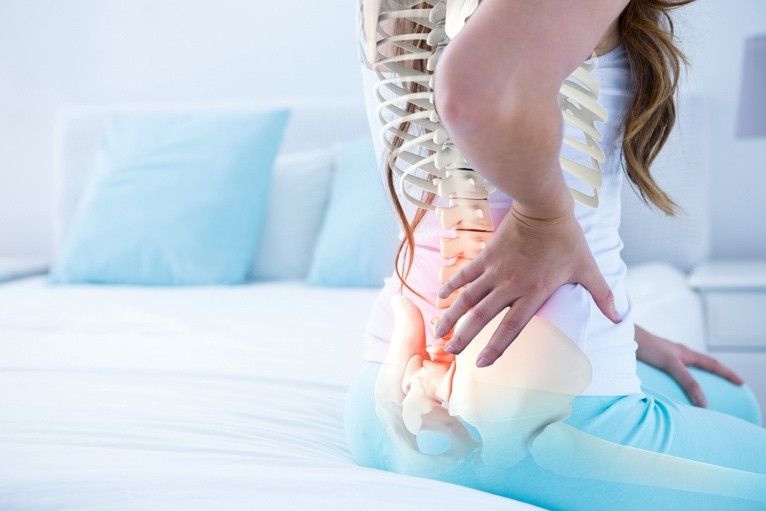
Many people spend hours each day sitting at a desk, looking down at a phone, or driving between appointments without realizing how these habits affect their bodies. Over time, poor posture places excessive stress on muscles, joints, and the spine, leading to chronic pain that interferes with daily life. At Pain Treatment Centers of America, we help patients identify the causes of persistent pain and develop bespoke treatment plans that improve function, mobility, and well-being. How Poor Posture Leads to Chronic Pain Proper posture keeps your body aligned, allowing muscles, ligaments, and joints to work efficiently. When posture is compromised—whether from slouching, hunching over a computer, or standing unevenly—certain muscles become overworked while others weaken. Such imbalance places unnecessary strain on the spine and surrounding tissues. Over time, poor posture leads to chronic pain in several areas of the body, including: Neck and shoulders Upper and lower back Hips and pelvis Knees Head, leading to tension headaches Many people don’t notice the effects immediately, but repeated poor posture can gradually cause inflammation, muscle fatigue, nerve irritation, and reduced flexibility. Common Signs Your Posture May Be Causing Pain Poor posture often develops slowly, making it hard to recognize until discomfort becomes persistent. Typical symptoms include: Frequent neck or shoulder stiffness Ongoing lower back pain Muscle tightness after sitting for long periods Headaches which start at the base of the skull Rounded shoulders or a forward head position Fatigue from standing or sitting throughout the day If these symptoms continue despite rest or over-the-counter treatments, it may be time for a medical assessment. Simple Ways to Improve Your Posture Improving posture doesn’t happen overnight, but small daily changes can greatly reduce pain and prevent future problems. Consider these healthy habits: Sit with both feet flat on the floor and your back supported. Keep computer monitors at eye level to reduce neck strain. Take regular breaks to move your body throughout the day. Strengthen muscles in your core to better support your spine. Practice posture awareness while standing, walking, and lifting objects. Try not to look down at your phone for longer periods of time by raising the screen closer to eye level. These simple adjustments can reduce stress on your body and improve comfort during daily activities. When Professional Treatment Is Needed While posture correction helps many people, chronic pain may require additional medical care, especially if poor posture has caused joint dysfunction, nerve irritation, or long-term muscle imbalances. A complete evaluation can determine whether posture is causing your symptoms and identify other underlying conditions that may be involved. Depending on your diagnosis, treatment may include: Physical therapy and guided rehabilitation Interventional pain management procedures Trigger point or joint injections Medication management when appropriate Personalized exercise recommendations Education on body mechanics and ergonomics Combining posture correction with targeted treatment often provides the greatest long-term relief. Personalized Chronic Pain Care at Pain Treatment Centers of America At Pain Treatment Centers of America, we understand chronic pain is rarely caused by a single factor. Our experienced providers evaluate the whole person to identify the root cause of discomfort and create individualized treatment plans that support lasting relief. Whether your pain stems from poor posture, repetitive strain, or another underlying condition, we’re committed to helping you improve mobility, restore function, and return to the activities you enjoy.  If chronic neck, back, or shoulder pain is impacting your quality of life, schedule a consultation with Pain Treatment Centers of America today. Together, let’s customize a treatment plan that helps you stand taller, move more comfortably, and live with less pain.
June 26, 2026
Pain is often associated with injury, arthritis, or another structural problem in the body. However, not all pain comes from damaged bones, joints, muscles, or tissues. Sometimes, the nervous system itself causes discomfort. This pain is called neuropathic pain and can greatly affect quality of life. At Pain Treatment Centers of America, we help patients determine the source of their symptoms and develop personalized plans to manage chronic nerve pain effectively. What Is Neuropathic Pain? Neuropathic pain happens when nerves are damaged, irritated, or dysfunctional. Unlike pain from injury or inflammation, it results from abnormal signaling within the nervous system. These disrupted signals cause the brain to sense pain even without ongoing tissue damage. Patients commonly describe neuropathic pain as burning, tingling, shooting, electric-like, or stabbing. Some may experience numbness, elevated sensitivity to touch, or pain that seems disproportionate to any physical findings. Common Causes of Neuropathic Pain Neuropathic pain can develop from a variety of conditions that affect the nerves or nervous system. Some common causes include: Diabetes-related nerve damage (diabetic neuropathy) Herniated discs are causing nerve compression Shingles and postherpetic neuralgia Complex regional pain syndrome (CRPS) Multiple sclerosis Spinal cord injuries Stroke-related nerve damage Chemotherapy-induced neuropathy Symptoms can vary widely, so proper evaluation is key for accurate diagnosis and efficient treatment. Neuropathic pain is often challenging to identify because imaging exams like X-rays, CT scans, or MRIs may not always reveal the source of the problem. Patients may experience significant pain despite having slight structural abnormalities. A complete evaluation includes medical history, physical exam, neurological assessment, and diagnostic tests when needed. Identifying nerve involvement is critical because neuropathic pain often responds differently to treatment than musculoskeletal pain. Treatment Options for Neuropathic Pain Successful treatment focuses on addressing the underlying cause when possible while reducing symptoms and improving function. Depending on the patient’s condition, treatment options may include: Medication management designed specifically for nerve pain Nerve block injections Physical therapy and rehabilitation Spinal cord stimulation Lifestyle alterations Interventional pain management procedures Many benefit from an approach that combines several therapies for the best outcomes. When to Seek Professional Care Persistent burning, tingling, numbness, or shooting pain should not be ignored. Early diagnosis and treatment prevent worsening symptoms and improve long-term outcomes. If you have ongoing pain not connected to a structural injury, it may be time to explore if neuropathic pain is the cause. An extensive evaluation can determine the source of your symptoms and identify the most effective treatments. Personalized Neuropathic Pain Treatment at Pain Treatment Centers of America At Pain Treatment Centers of America, we understand that chronic pain is complex and every patient’s experience is unique. Our team uses sophisticated diagnostic tools and evidence-based treatments to identify nerve-related pain and create individualized care plans to improve comfort, mobility, and quality of life. If you are experiencing persistent nerve pain symptoms, schedule a consultation with Pain Treatment Centers of America today. Together, we can develop a treatment plan designed to help you regain control of your daily activities and move toward lasting relief.
The Role of Nerve Blocks in Diagnosing and Treating Pain
June 1, 2026
Chronic pain can disturb daily activities and make routine tasks challenging. When pain is persistent or its source is unclear, identifying the cause...
Pain Flares: Why They Happen and How to Manage Them
May 1, 2026
Pain isn’t always constant. For many living with chronic conditions, discomfort comes in waves—periods of stability followed by sudden...
Central Sensitization: Why Some Pain Feels Worse Over Time
By Bob Berendsen April 1, 2026
If you live with Chronic Pain, you might notice your symptoms getting worse over time, even if there is no new injury or obvious reason. This can...
Get Active This Spring with Low-Impact Exercises for Pain Relief and Better Mobility
By Bob Berendsen March 12, 2026
As the weather warms and days grow longer, spring is a great time to get moving again. For those with chronic pain or recovering from injury...
Show More